
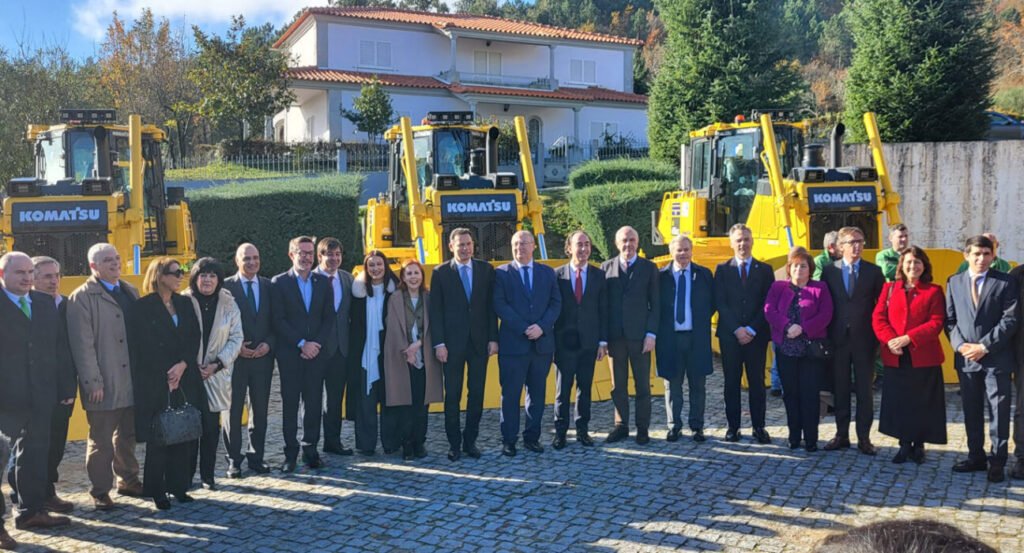
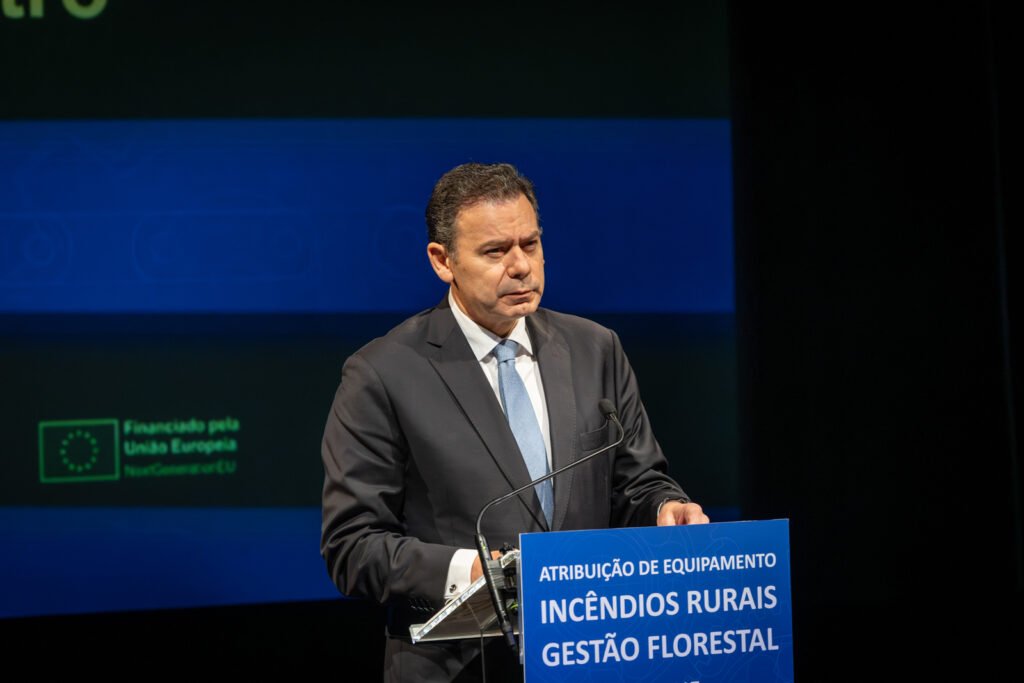
Prime Minister Luís Montenegro presented a national initiative in Baião aimed at strengthening rural fire prevention and forest management.
This action, coordinated by the Institute for Nature Conservation and Forests (ICNF), is anchored in a global investment of around €50 million and is part of the vision of the Forest Plan 2050.
It is geared towards prevention, planning and sustainable profitability of forests and includes equipment for fuel management and fire risk reduction operations.
At this stage, the plan provides for the delivery of 57 tractors, 18 tracked machines and 125 multidisciplinary vehicles for controlled burning, plant health and forest management support.
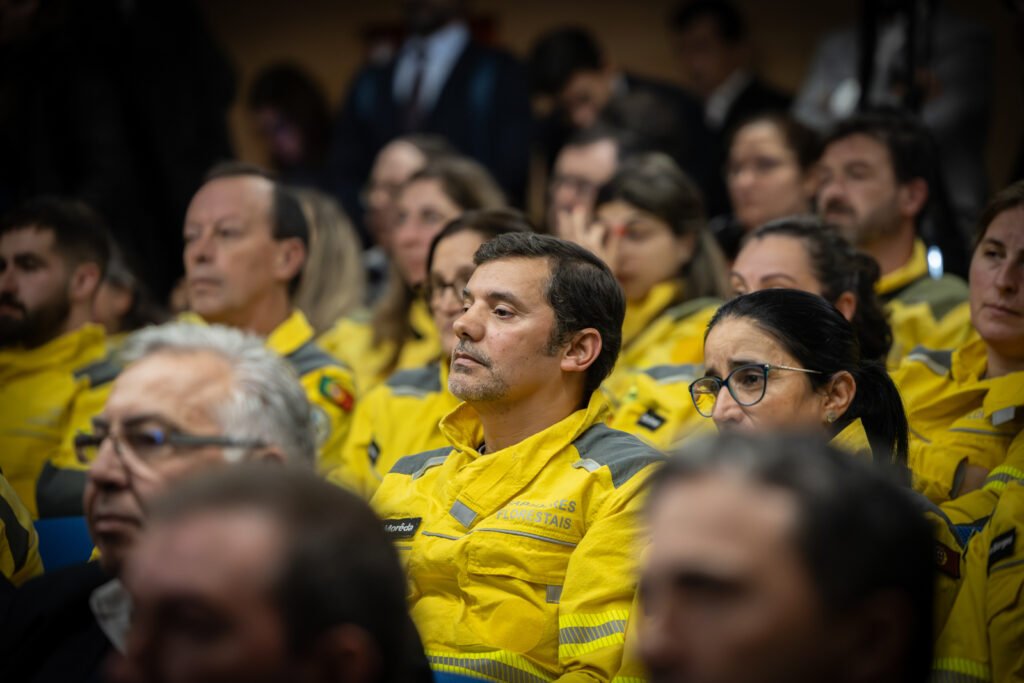
In total, more than 300 entities will benefit, including 18 intermunicipal communities, 226 municipalities and 59 forestry producer organisations.
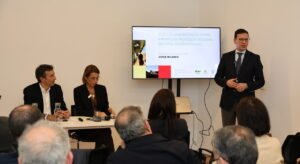
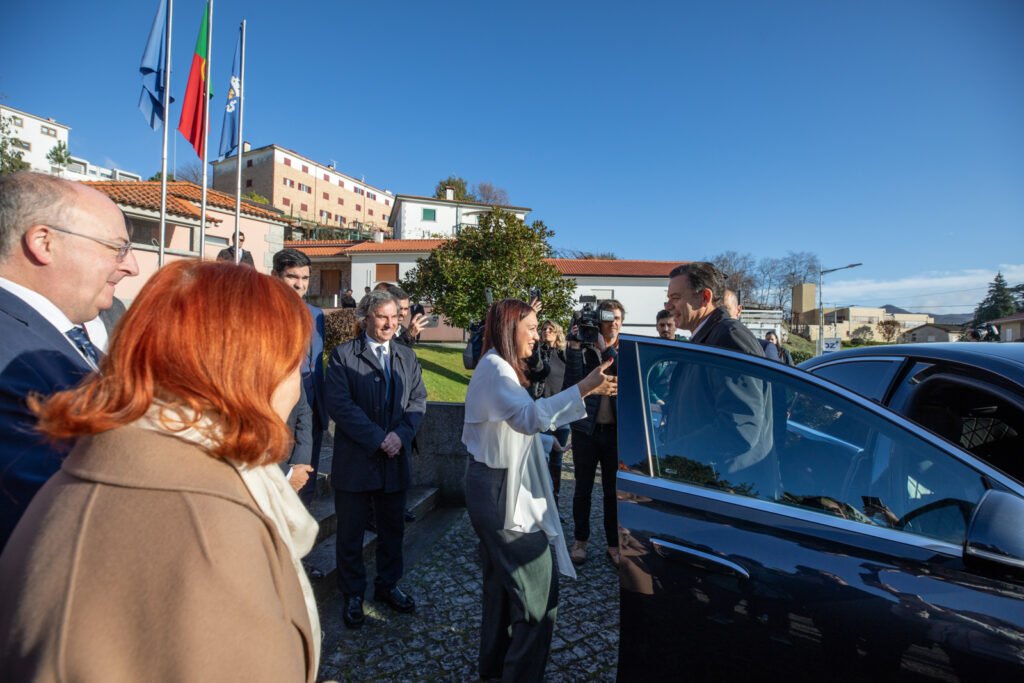
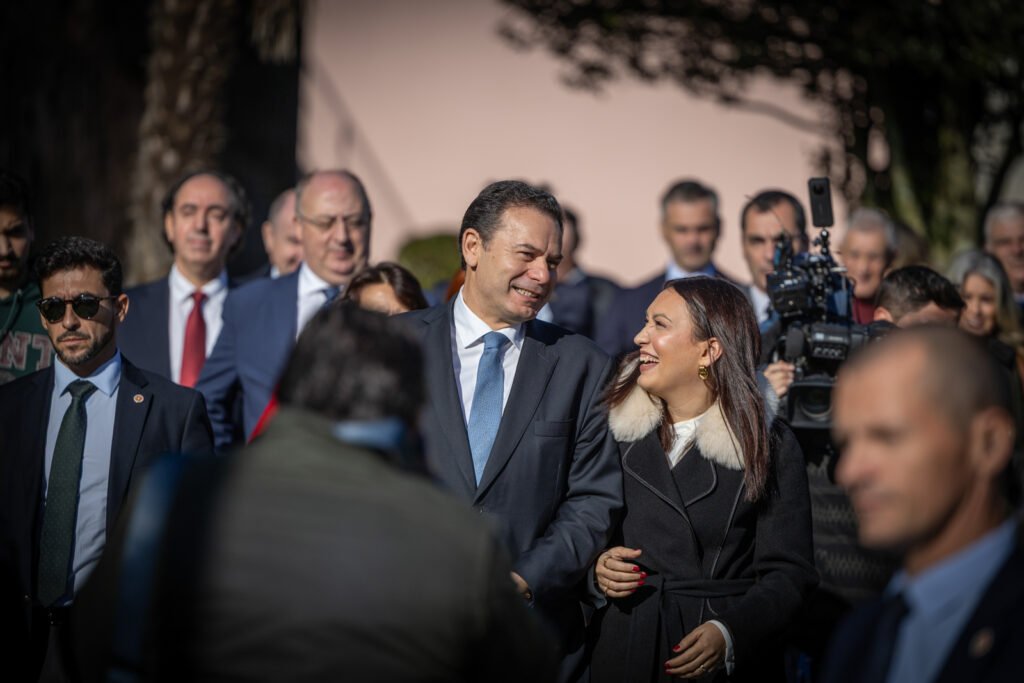
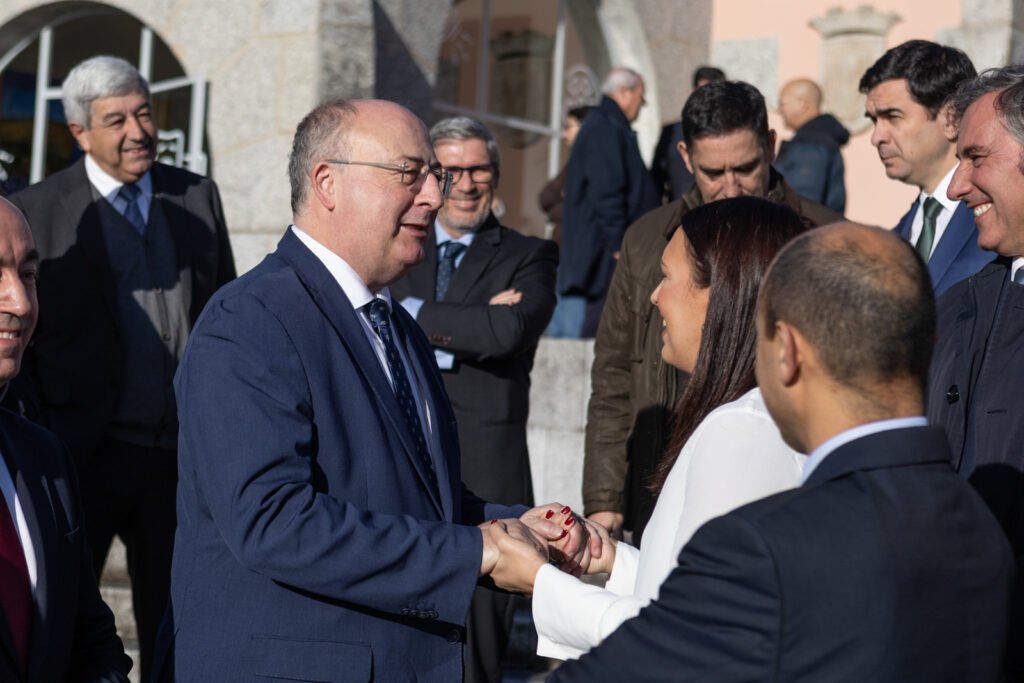
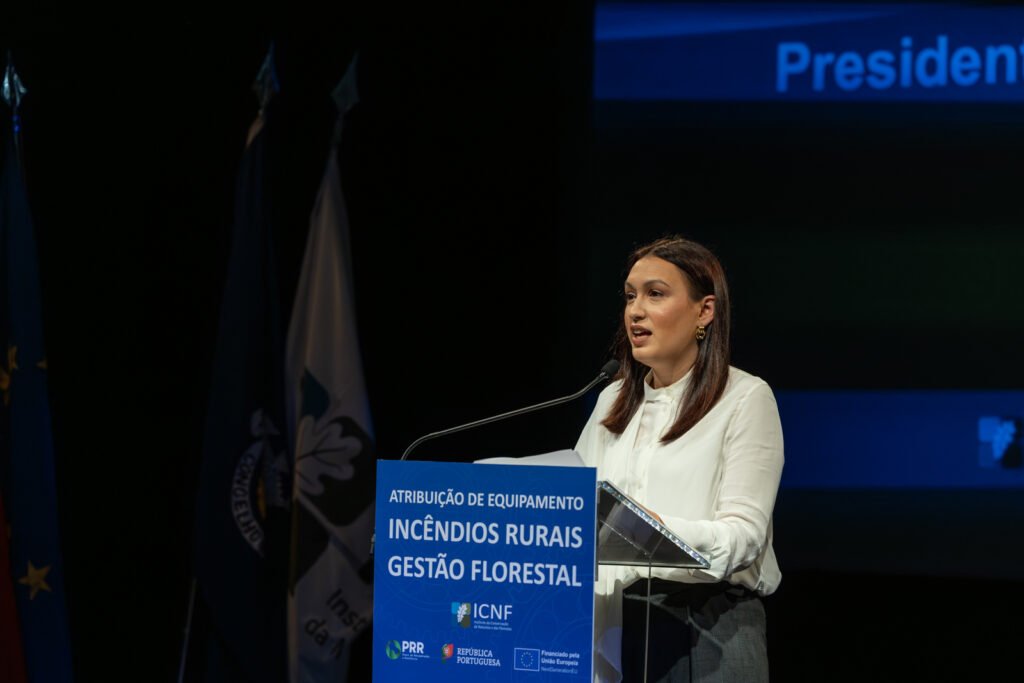
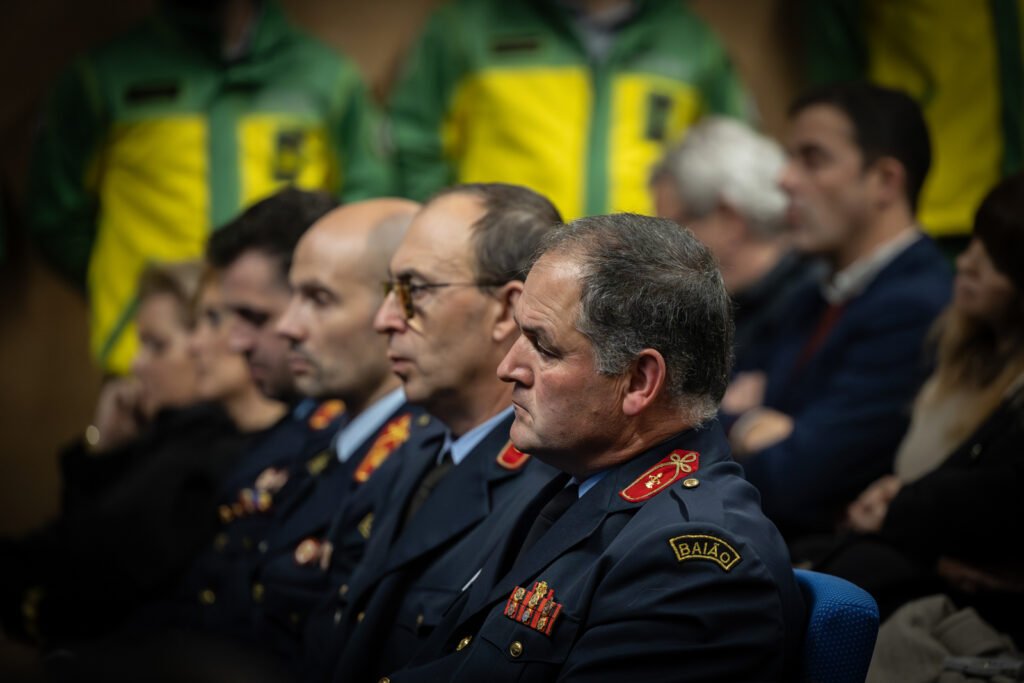
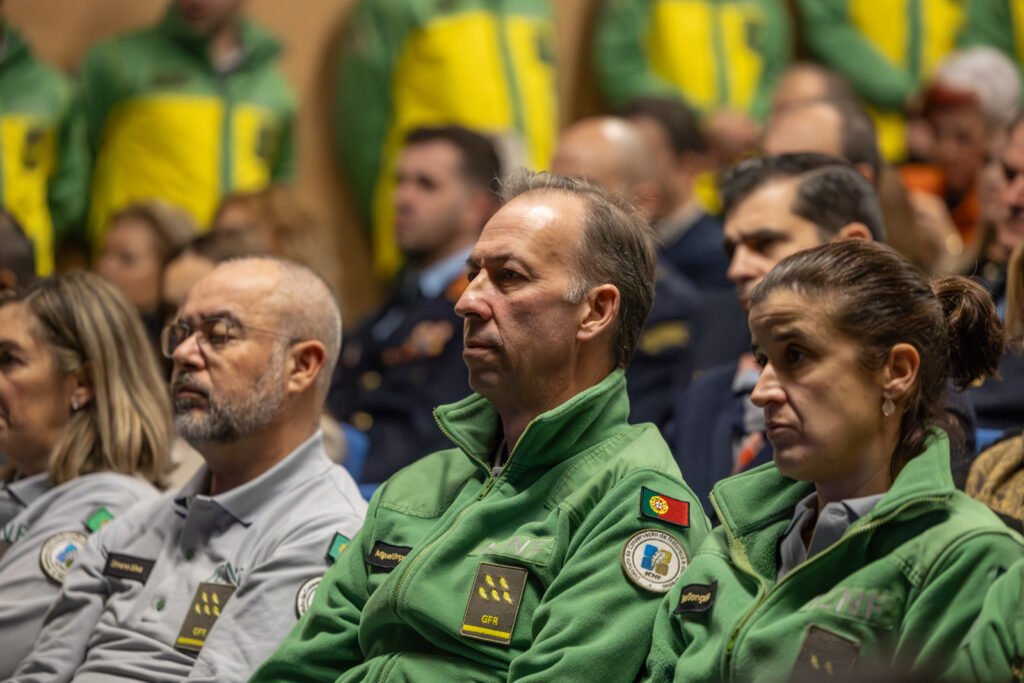
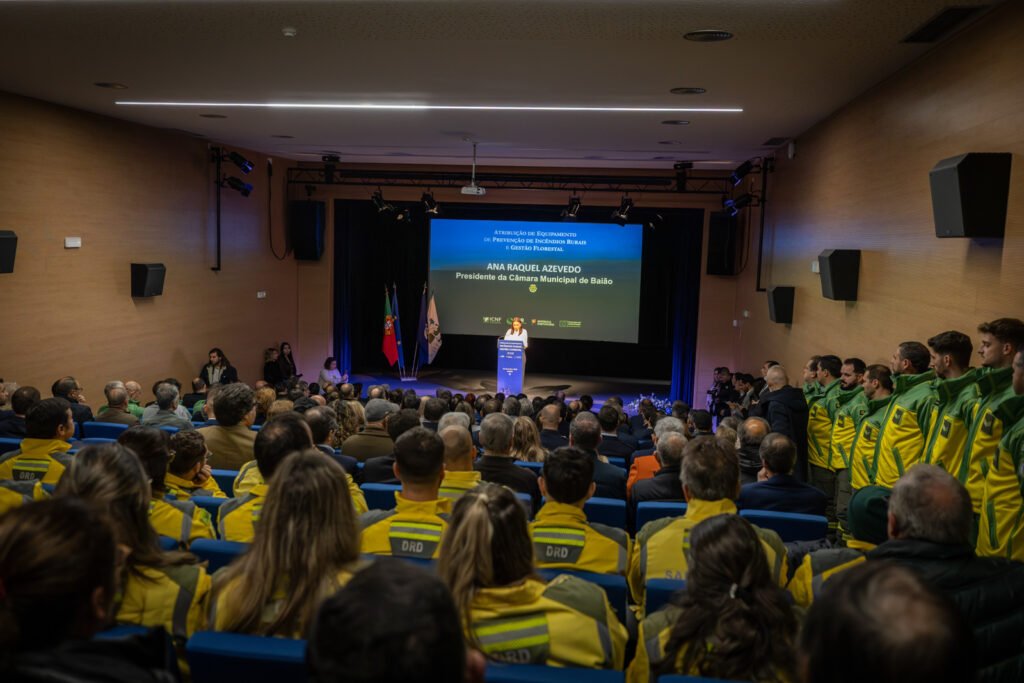
In addition to the Prime Minister, the ceremony was attended by the Mayor of Baião, Ana Raquel Azevedo, the Minister for the Environment and Energy, Maria da Graça Carvalho, the Minister for Agriculture and the Sea, José Manuel Fernandes, the Secretary of State for Forestry, Rui Ladeira, several local authorities and members of intermunicipal communities from across the country.




COOPERATION BETWEEN LOCAL AND CENTRAL ADMINISTRATION IS FUNDAMENTAL
The Mayor of Baião, Ana Raquel Azevedo, highlighted the importance of this measure, stating that ‘it is of great importance for the empowerment of the territories’ and represents ‘a real commitment by the Government to prevention’, also recalling the danger associated with the accumulation of so-called ‘forest fuels’ in regions such as Baião.
The mayor also stressed that “the State has a responsibility to develop policies and provide local authorities with equipment to ensure the base of the pyramid, i.e. security,‘ considering that ’this Government is now sending a signal that it is attentive and diligent in its cooperation with the territories, with the Municipal Councils, the Intermunicipal Communities and with all the entities that operate in the area of forest management.”
Ana Raquel Azevedo expressed her willingness to work with the Government to strengthen the capabilities and skills of these structures, ‘so that we can develop increasingly fruitful work for the entire region’ and argued that ‘it is essential that this cooperation be accompanied by effective territorial development policies, so that there are increasingly more conditions for companies and families to settle in our territory, in this interior that “gives its all” to keep its people here.’
For his part, the Prime Minister highlighted the ‘symbolic and impactful nature of this initiative,’ stressing that ‘in December, the country is already preparing for the next fire season with a focus on prevention and land use planning, without looking back, but preparing for the future.’
The Prime Minister also noted that ‘this essential equipment tends to be remembered only during crises, although it is crucial before, during and after fires,’ and highlighted ‘the need to make the most of the forest, with the environment and agriculture going hand in hand.’
He pointed to two central objectives as the pillars of his action: ‘to prevent incidents and, when this is not possible, to reduce their duration and scale,’ and framed this investment within a ‘cross-cutting and preventive vision for the forest,’ as set out in the 2025-2050 Forest Intervention Plan.
The Prime Minister ended his speech by highlighting ‘the partnership between central government, municipalities and intermunicipal communities, with joint responsibility and co-management as a fundamental aspect, in order to provide a faster response to people and local economies.’
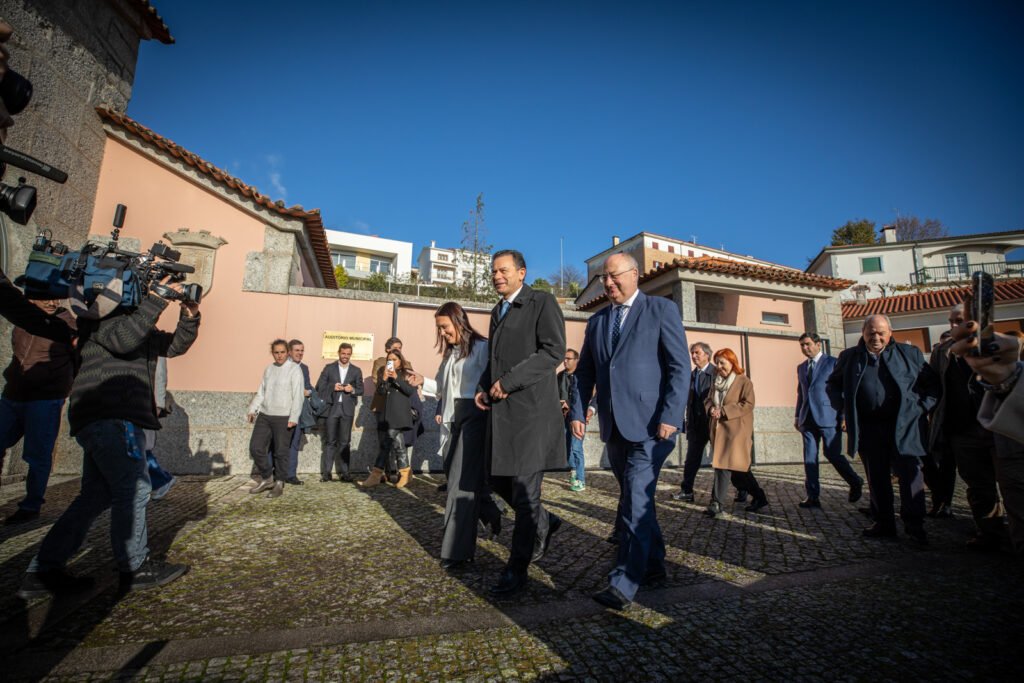
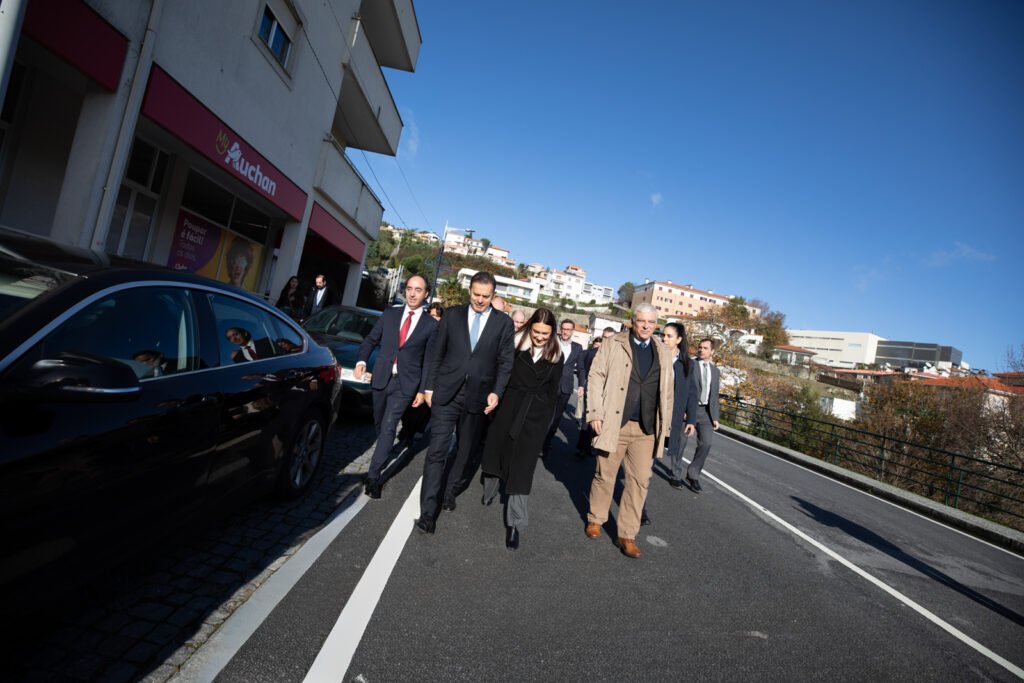
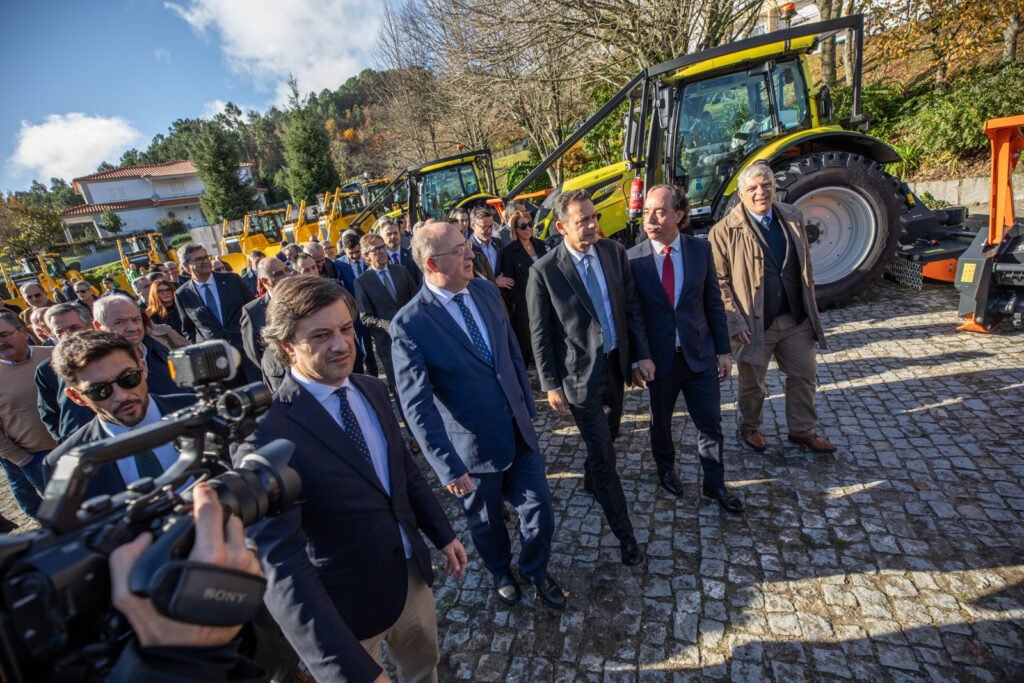
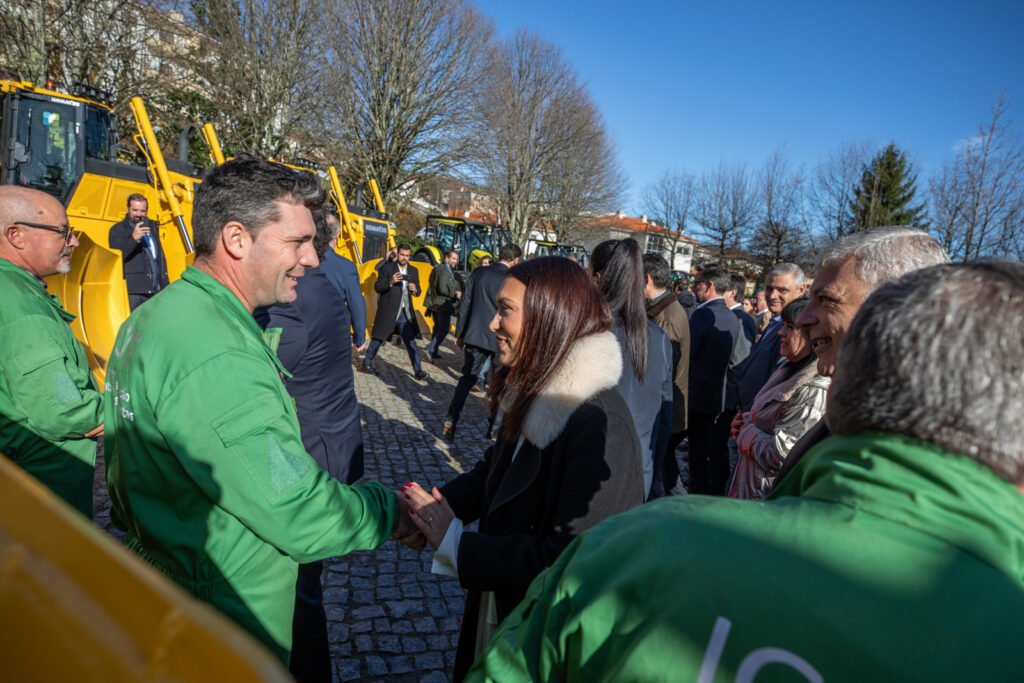
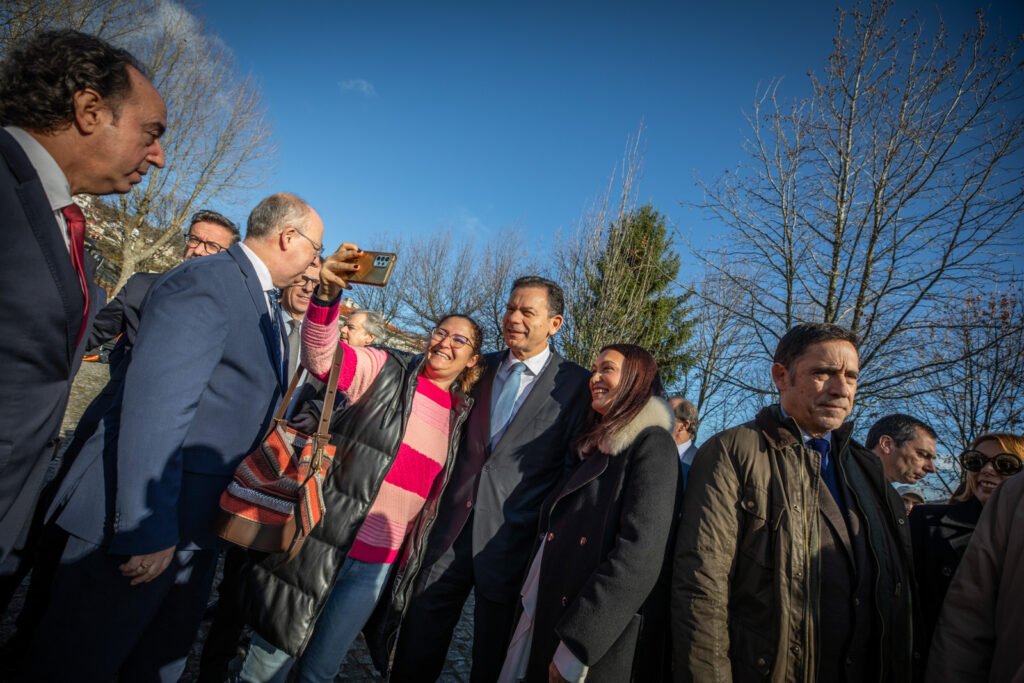
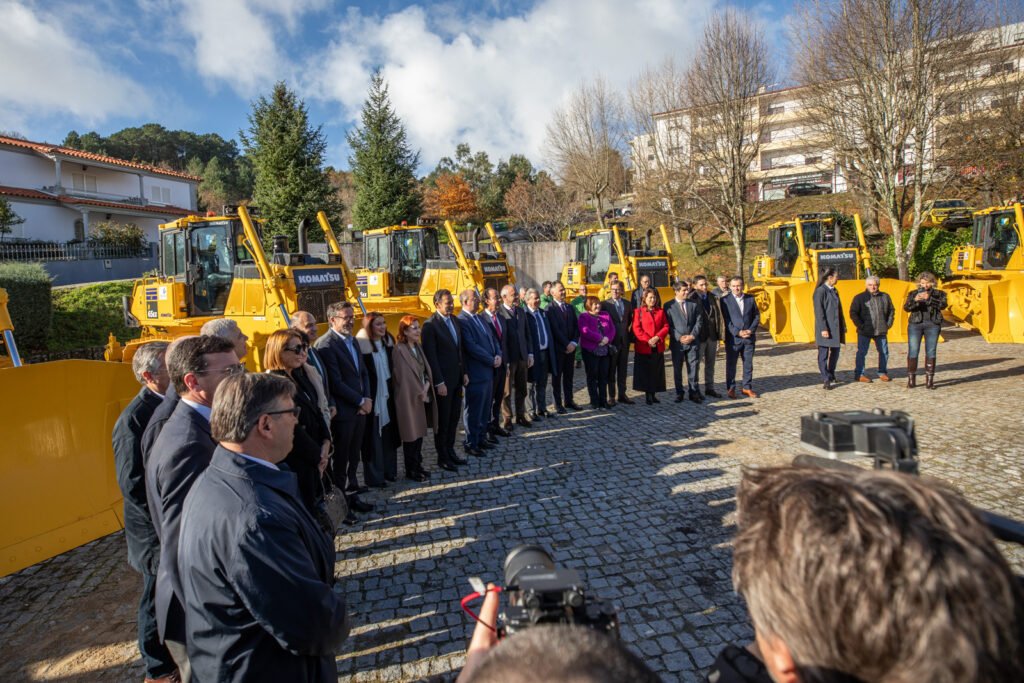
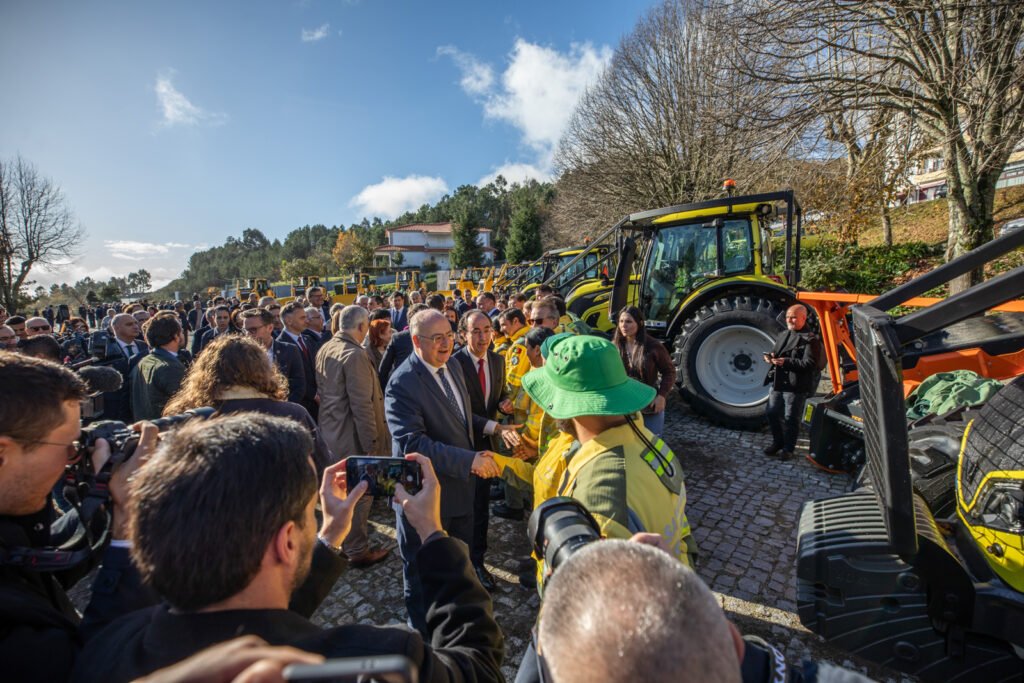
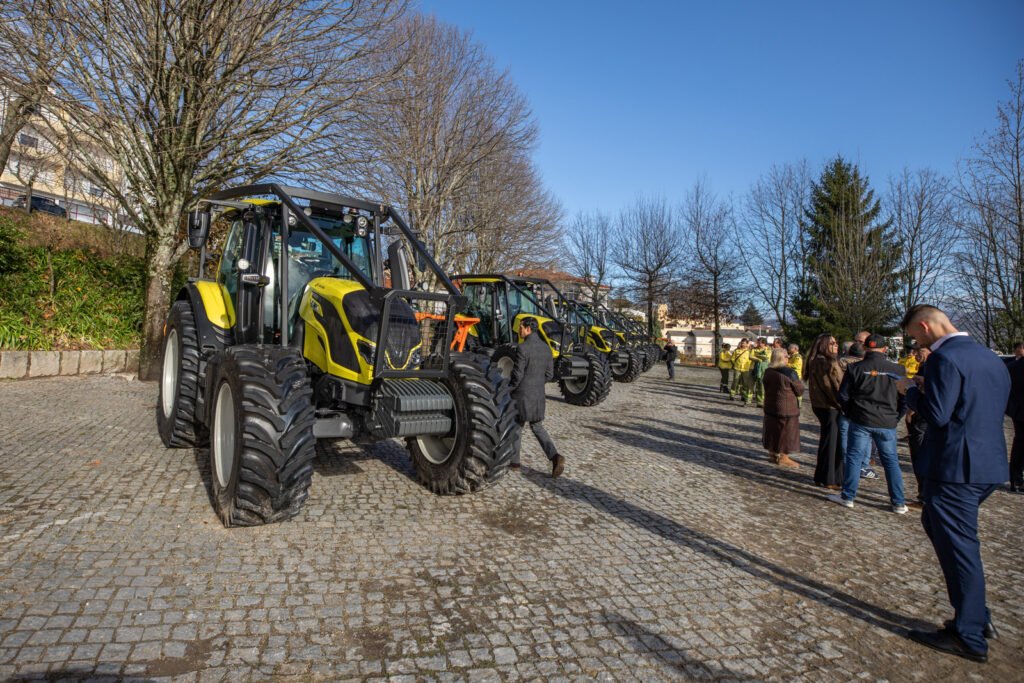
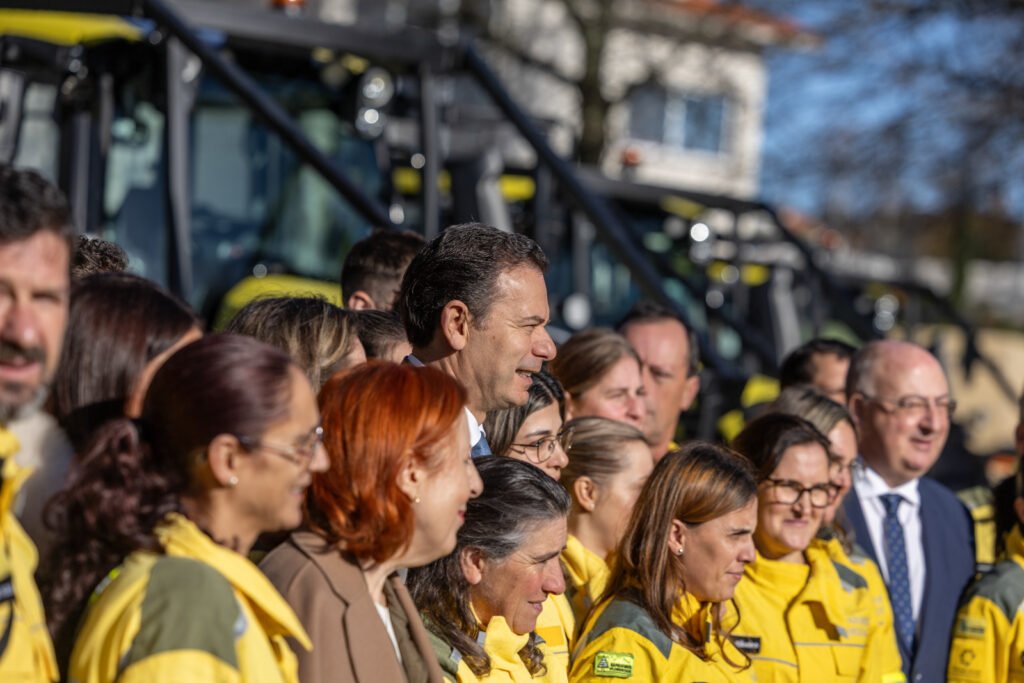
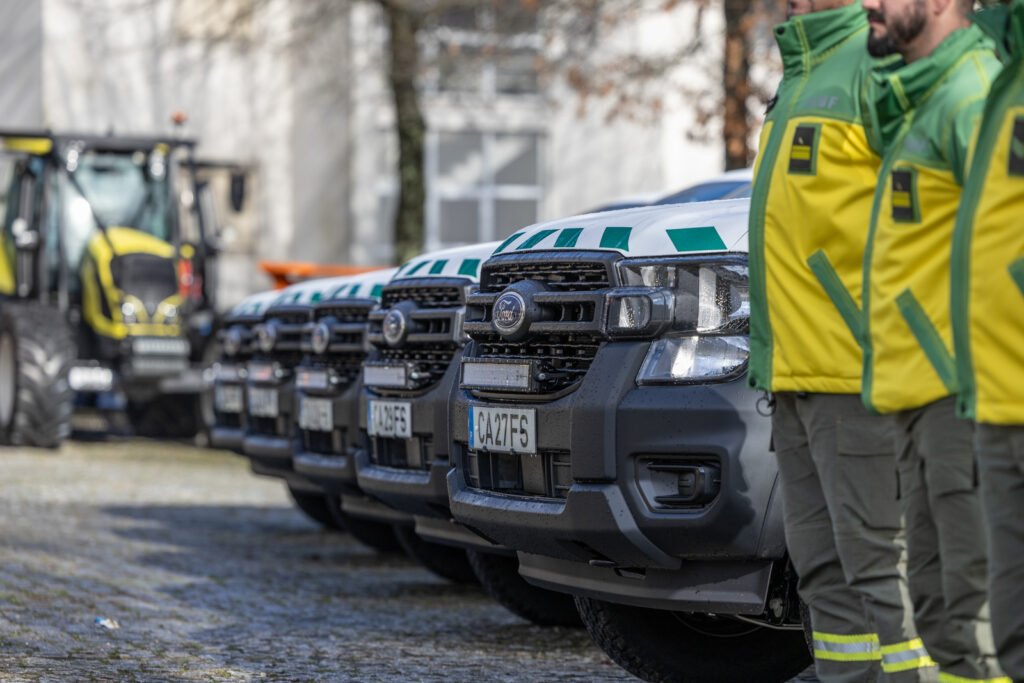
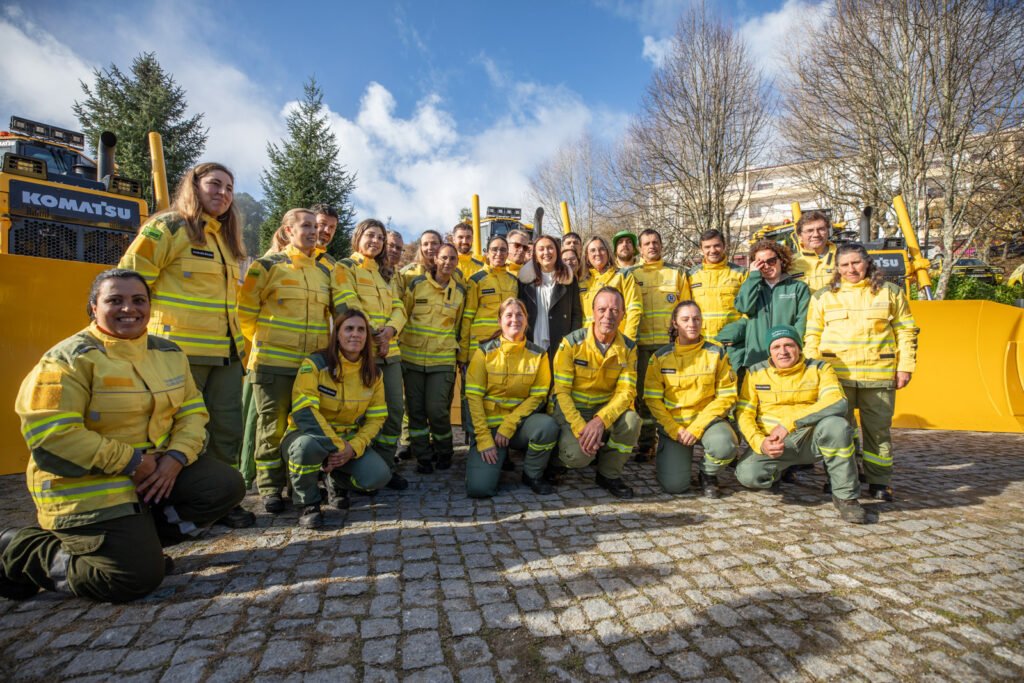
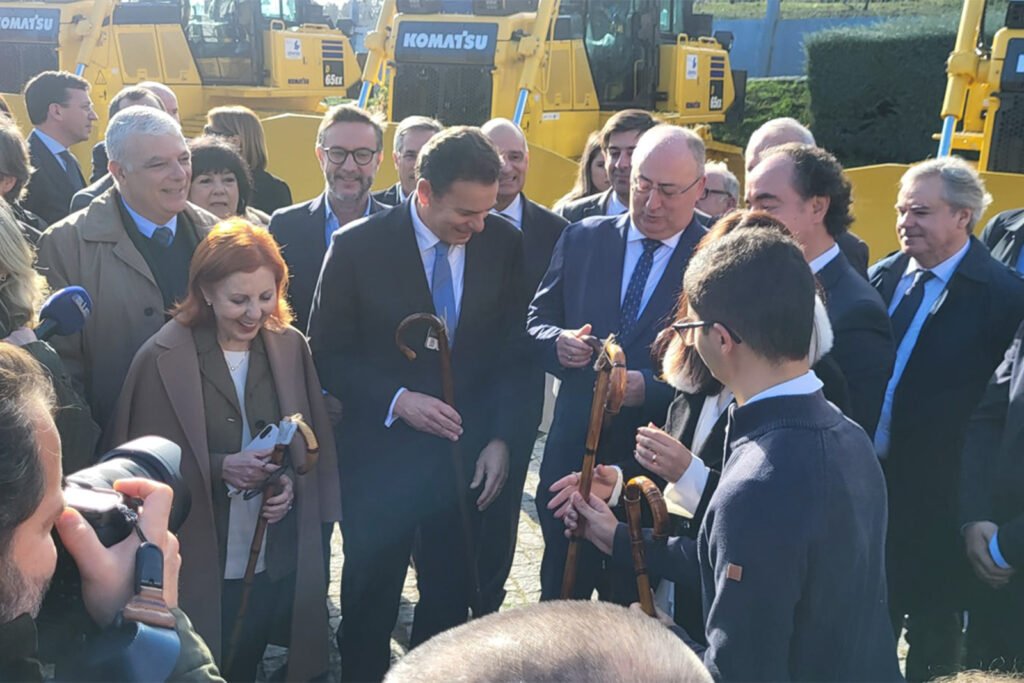
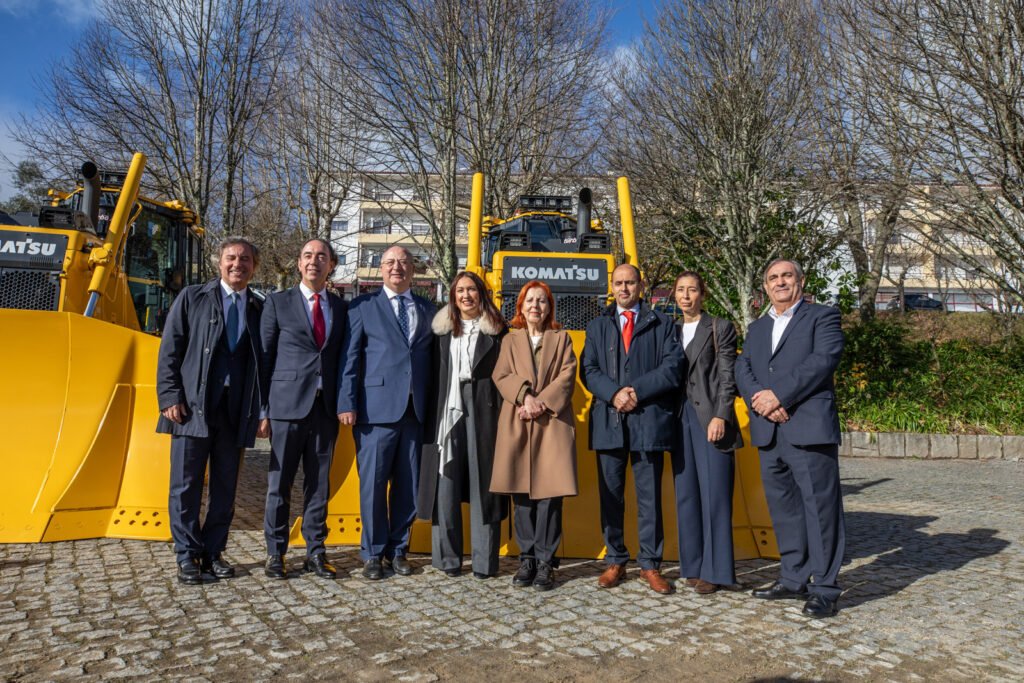
After the ceremony, those present went to the Tijelinho Fair, where some of the equipment presented was on display. The visit allowed for a more detailed observation, accompanied by a technical explanation that enabled an understanding of its functionalities in the theatre of operations.
This delivery strengthens local intervention capacity and contributes to the sustainable management of forest resources. At the national level, it is part of the “Floresta 2050. Futuro + Verde” (Forest 2050. Greener Future) strategy, which is geared towards risk reduction, territorial preparedness and the protection of natural resources, in a joint commitment between the Government, ICNF and local authorities.